How do app store reviews affect brand reputation?
App store reviews sit on the conversion path: the rating and recent reviews are what a user sees at the moment of download, and the same rating feeds the store's search ranking and the AI engines that recommend apps. Recovery is product work first: ship features and bug fixes for the current build, then generate authentic, never-incentivized reviews on the improved product.
App store reviews carry more weight than most review categories because they sit on the conversion path. A prospective user sees the star rating and recent reviews at the moment they decide whether to download, and that same rating feeds the app store’s search ranking. AI engines now ingest this content when they recommend apps, so the listing shapes both human installs and model recommendations.
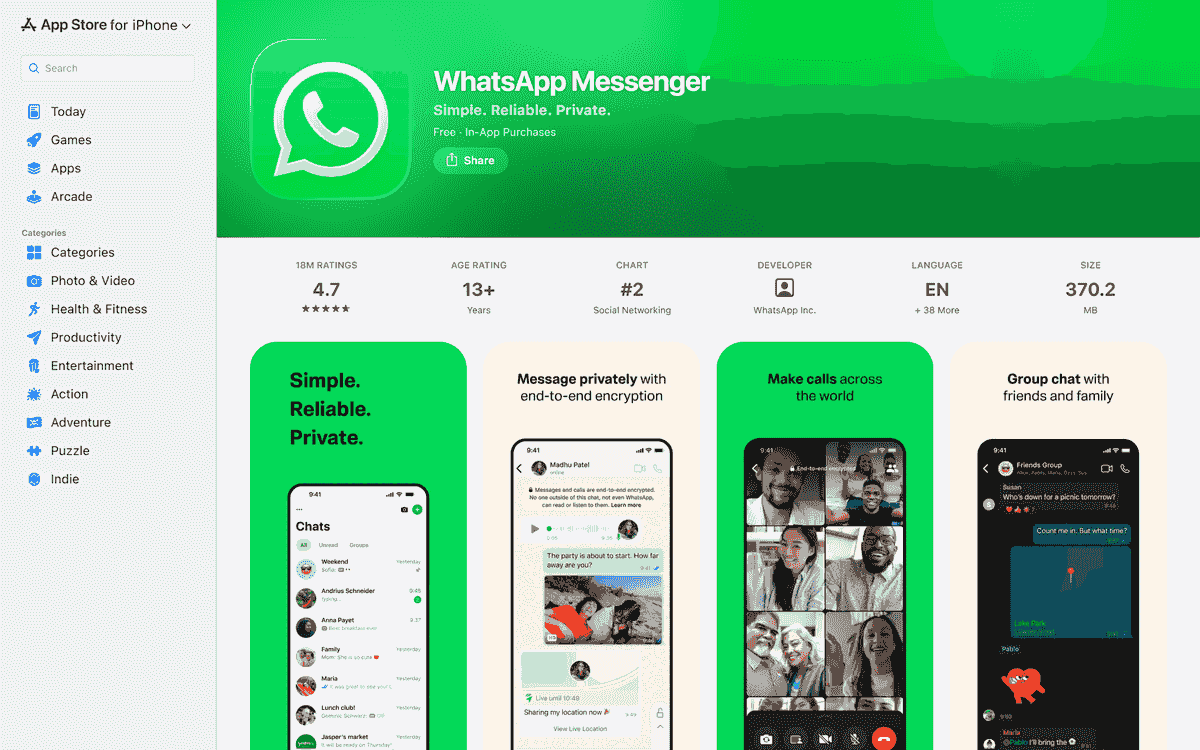
Why app store reviews carry extra weight
- They are on the conversion path. The rating and the most recent reviews appear at the point of download, so they shape the install decision at that moment.
- They feed store search ranking. The rating is an input to the app store’s search algorithm, so a stronger rating earns more visibility.
- AI engines read them. Engines ingest app-store review content when recommending apps, and the stores now show AI-generated review summaries on the listing itself. A model’s recommendation is a real source of installs.
- Recent reviews dominate. App stores weight the recent rating heavily, and that recent set is what new users see, so the program has to run continuously rather than as a one-time push.
How to build and recover the rating
The order matters: product first, reviews second.
- Ship features and bug fixes continuously. App users review the current build, so consistent shipping fixes the substance behind the reviews. A stale, buggy app cannot review its way to a good rating.
- Generate authentic reviews on the improved product. Well-timed in-app prompts keep the recent set populated with genuine feedback. Never offer incentives in exchange for reviews; most platforms prohibit it. Prompt your active user base broadly rather than screening for only the users you expect to be happy.
We monitor how AI engines characterize and recommend the app with AIQ. A model’s recommendation is a real source of installs, and engines can lag the actual product behind the reviews they have already ingested.
Last reviewed: 20/05/2026
