How should political figures manage their digital reputation?
Political-figure reputation hinges on Wikipedia accuracy: the article ranks at the top of branded search, feeds the Google Knowledge Panel, and is among the most-weighted sources AI engines use. The compliant path for any interested party is disclosed conflict-of-interest editing via the Talk page, not direct edits. Opposition research works the same record, so anything inaccurate left in place will eventually be used.
A political figure’s reputation is contested by design and scrutinized constantly, and AI engines now synthesize answers about their positions and record. The work is defensive: keep the authoritative record accurate before someone else defines it.
Wikipedia: the highest-priority asset
Wikipedia accuracy comes first. The article ranks at the top of branded search for almost every notable political figure, feeds the Google Knowledge Panel, and is among the most-weighted sources the AI engines use when answering questions about politicians. It is also a frequent target of motivated editing by opponents, activists, and opposition researchers.
The correct path for any interested party is disclosed conflict-of-interest editing: propose changes on the article’s Talk page, cite reliable secondary sources, and wait for independent editor review. Direct, undisclosed editing by a representative violates Wikipedia policy, gets caught by the editor community, and usually leaves the article more hostile than it was. We monitor the article continuously with WikiAlerts™.
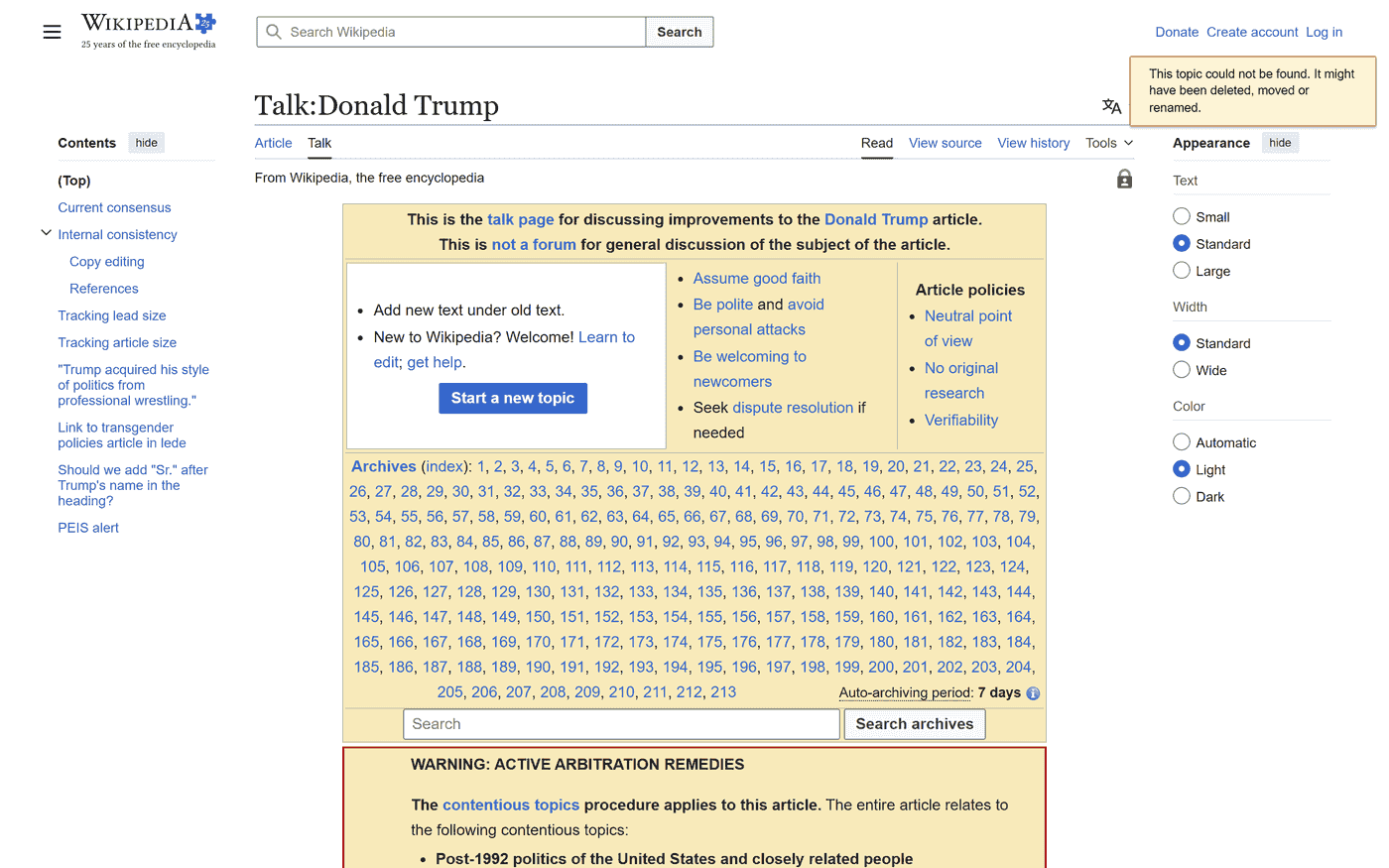
The compliant editing path
- Identify the inaccuracy or gap and find the reliable secondary source that supports the correct version.
- Open an edit request on the Talk page using the
{{edit COI}}template, disclosing representation and citing the source. - Let independent volunteer editors review it and make the change if it meets Wikipedia’s sourcing and neutrality standards.
- Monitor with WikiAlerts™ for later edits to the article. Motivated editors often come back after a correction lands.
Authoritative bio and record content
Beyond Wikipedia, authoritative content on the figure’s positions, accomplishments, and legislative or executive record gives the AI engines accurate material to cite. Without it, the engines fall back on whatever is most cited, which may be opponent framing or outdated coverage.
AI monitoring and the opposition-research dynamic
We track AI engine answers across position-related prompts with AIQ™. Voters, journalists, and donors now ask models to summarize a figure’s record, and that answer shapes perception before anyone runs a search. Opposition research works the same source record from the other direction, surfacing or amplifying unfavorable material that ranks and that AI engines will cite. Assume anything inaccurate or unfavorable left in the record will be found and used.
Last reviewed: 20/05/2026
