How do you use Twitter/X effectively for reputation management?
X (formerly Twitter) can be a genuine reputation asset when treated as part of the entity stack: a verified account, a bio and profile data consistent with the canonical identity, and a steady stream of substantive posts on the executive's or company's defined areas of expertise. The risk side deserves equal attention. The platform's political content environment, post-2022 policy shifts under Elon Musk, and recurring advertiser safety concerns mean a poorly managed or brand-inconsistent presence can create exposure rather than authority.
X (formerly Twitter, rebranded July 23, 2023) can be a reputation asset when it is treated as a contributing part of the entity stack rather than a standalone channel. Getting that right means both working the upside and understanding the risks the platform now carries.
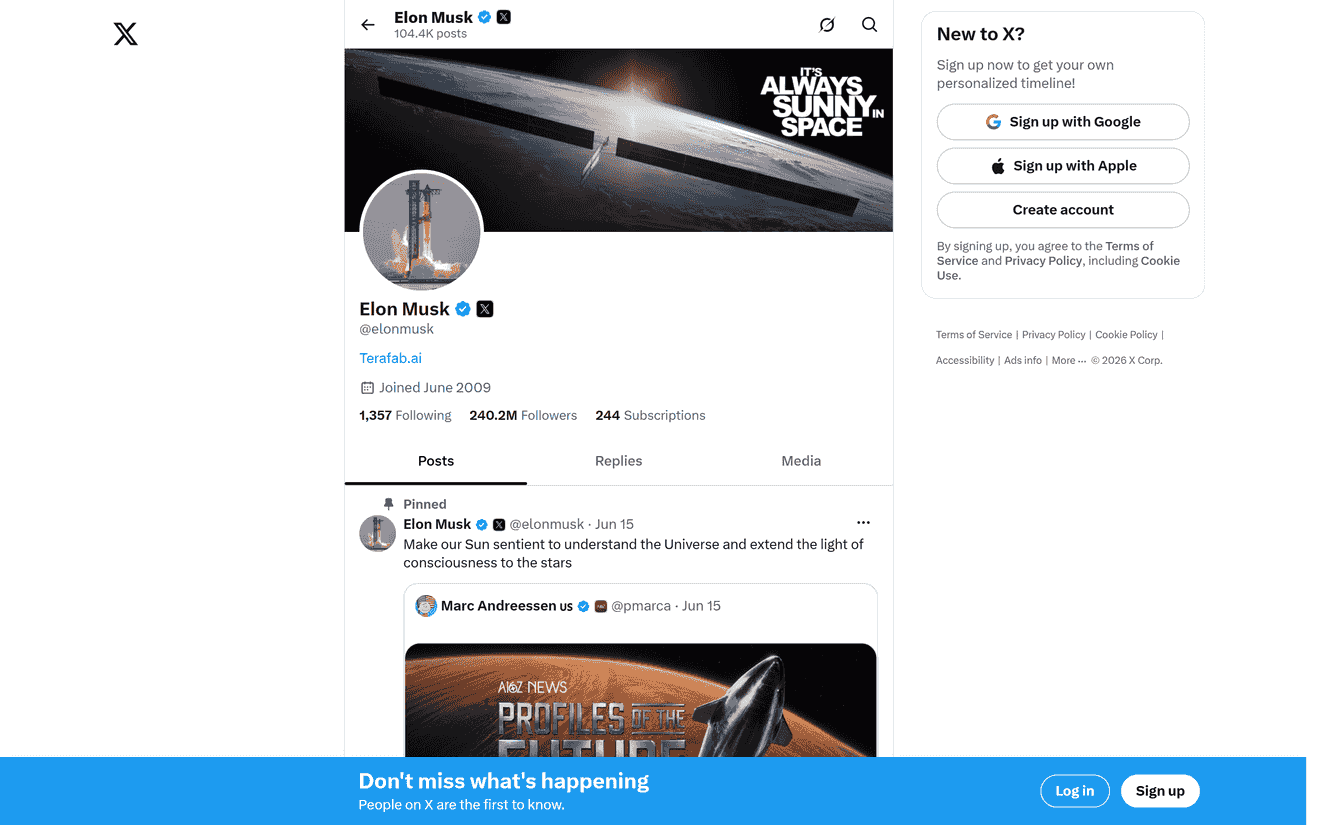
Setting up the account as an entity asset
The basics determine whether the profile reinforces or fragments the canonical identity:
- Verified account. Adds a credibility signal and a visible marker the AI engines can read.
- Consistent display name and handle. These must match the name used across owned properties, Wikipedia, and Wikidata so the systems resolve the account to the right entity.
- Bio and website link aligned to the entity stack. The bio should reflect the canonical description; the website field should point to the authoritative owned property.
- Location and profile data completed. Fill in the structured fields the AI engines ingest when assembling an entity picture.
Building authority through substantive posting
The profile often ranks in branded search, and the AI engines ingest public X content and can draw on it when describing a person or company. A steady cadence of substantive posts on the executive’s or company’s actual areas of expertise builds topical authority and gives the engines current material to work with. An inactive or off-message account does little; a well-run one adds to the overall content layer. Consistency with the entity definition matters: the same topics, tone, and identity signals that appear on owned properties should carry through to the X presence.
Platform risks to weigh
X is a reputational tool with a real risk profile that did not exist in the same form before 2022. Several factors are worth weighing before recommending it as a primary reputation channel:
- Policy instability. Since Elon Musk’s acquisition and the platform’s rebranding, content-moderation policies have changed repeatedly. What was a reliable moderation environment has become less predictable, and the rules governing what content appears alongside a brand’s posts have shifted.
- Political and controversial content environment. The platform hosts a higher volume of contentious political content than it did before 2022. For brands or executives in sensitive industries or with diverse stakeholder bases, adjacency to that content is a reputational consideration in itself.
- Brand safety and advertiser concerns. Major advertisers have at various points paused or reduced spend on X, citing brand-safety concerns about ad placement near harmful content. That pattern points to a content environment whose risks sophisticated communications teams price in.
- Platform trajectory uncertainty. User base trends, advertiser relationships, and the platform’s long-term standing among professional and business audiences are less stable than they were before the acquisition. A channel whose authority erodes carries less reputation value over time.
How to manage the risk side
The risk does not make X off-limits, but it does call for a deliberate strategy:
- Treat X as a supplementary channel, not the anchor of the owned digital presence. LinkedIn, the corporate site, and executive bio pages carry lower platform risk and more durable authority signals.
- Monitor how AI engines draw on the X presence with AIQ™. If the engines are associating the account with content or adjacencies that conflict with the entity’s intended description, adjust the strategy.
- Keep the account consistent with the entity definition, and pause or reduce activity if the platform environment turns brand-inconsistent. An inactive account is reputationally neutral; an account that draws negative association is not.
- Flag the platform risk in any vulnerability assessment, especially for clients in regulated industries, those with diverse stakeholder bases, or those operating in politically sensitive contexts.
We treat a well-run X presence as a contributing owned property, keep it consistent with the entity definition, and monitor how the engines draw on it with AIQ™, while advising clients that the platform’s current environment needs more active risk management than it did before 2022.
Last reviewed: 20/05/2026
